The Material
Behind the Sound
Every instrument begins with a natural material. The quality of the wood influences its sound, stability and natural beauty.
Discover Our Instruments
Wood, the Luthier’s
First Choice
Choosing a piece of wood involves more than its appearance. Its grain, density, stiffness and uniformity are essential factors in creating a stable instrument that is comfortable to play.
Every piece of wood is unique. Its properties naturally vary, giving each instrument its own character. This diversity is part of the richness of violin making.
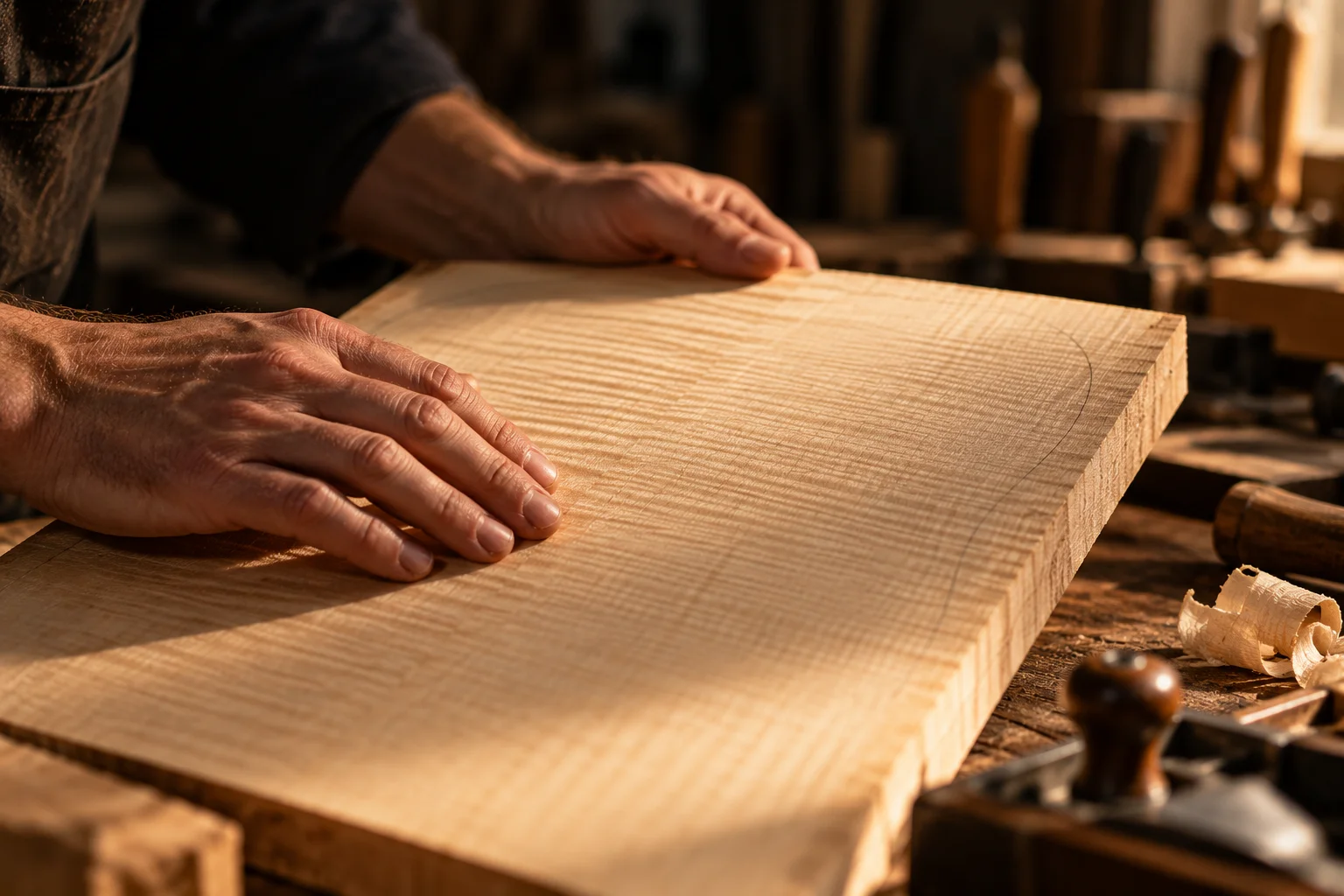
Four Woods, Distinct Properties
Spruce, maple, ebony and basswood are used at different stages of instrument making. Each wood serves specific purposes depending on the component, instrument and series.
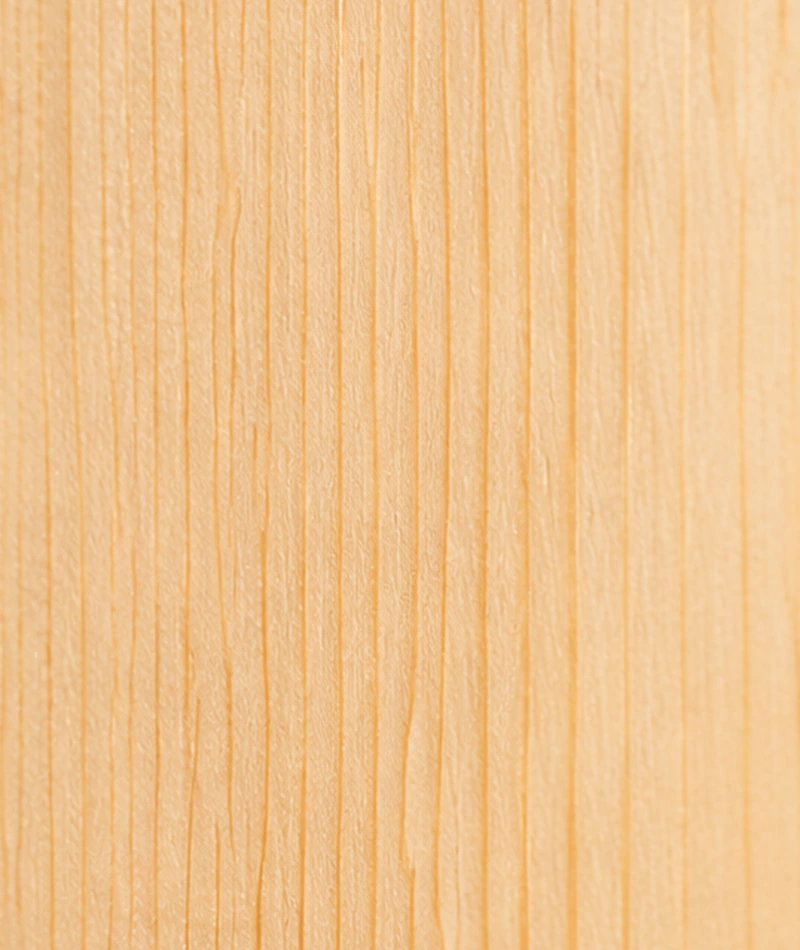
Spruce
SOUNDBOARD — DEPENDING ON MODELValued for its light weight and stiffness, spruce promotes a quick response and efficient transmission of vibrations.
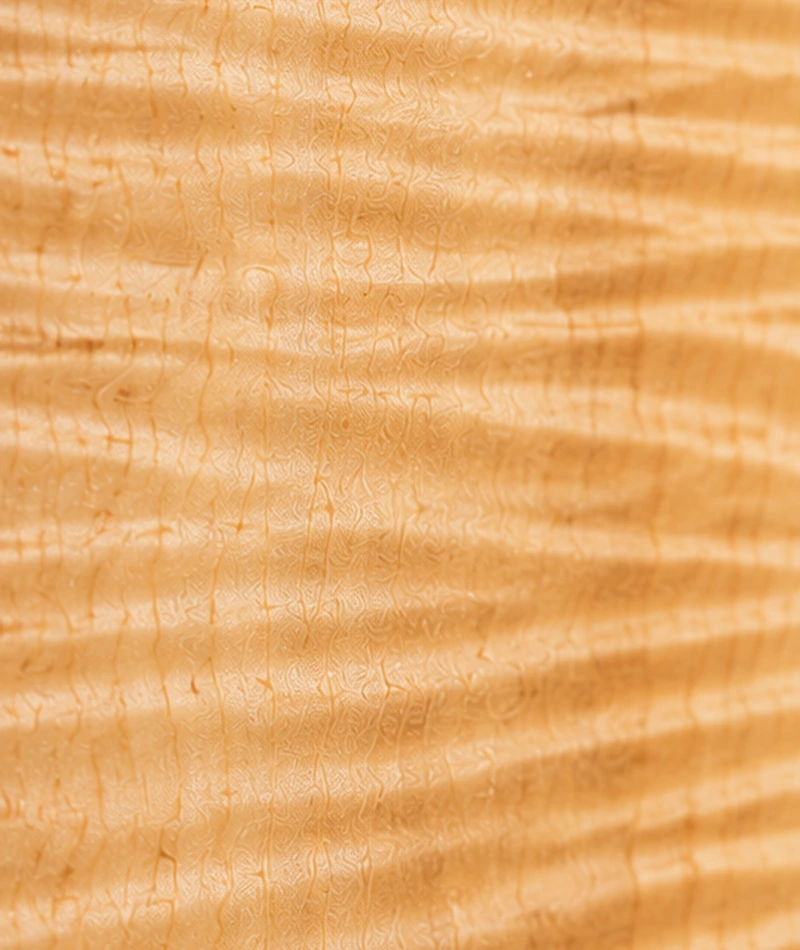
Maple
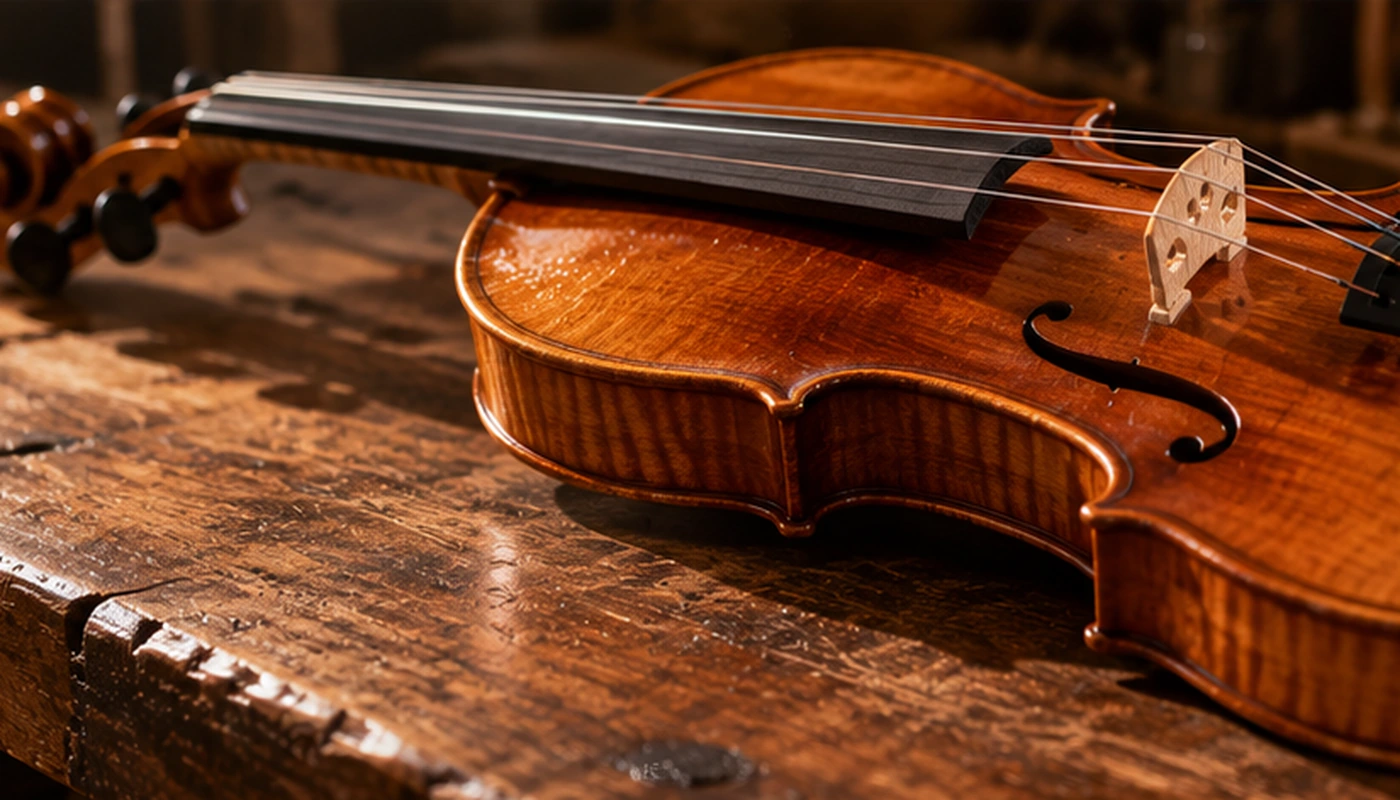
BACK, RIBS AND NECKKnown for its structure and stability, maple provides strength and character while displaying beautiful natural figuring.

Ebony
FINGERBOARDS AND SELECTED FITTINGSIts exceptional hardness and resistance to wear make ebony a traditional choice for components that experience frequent use.
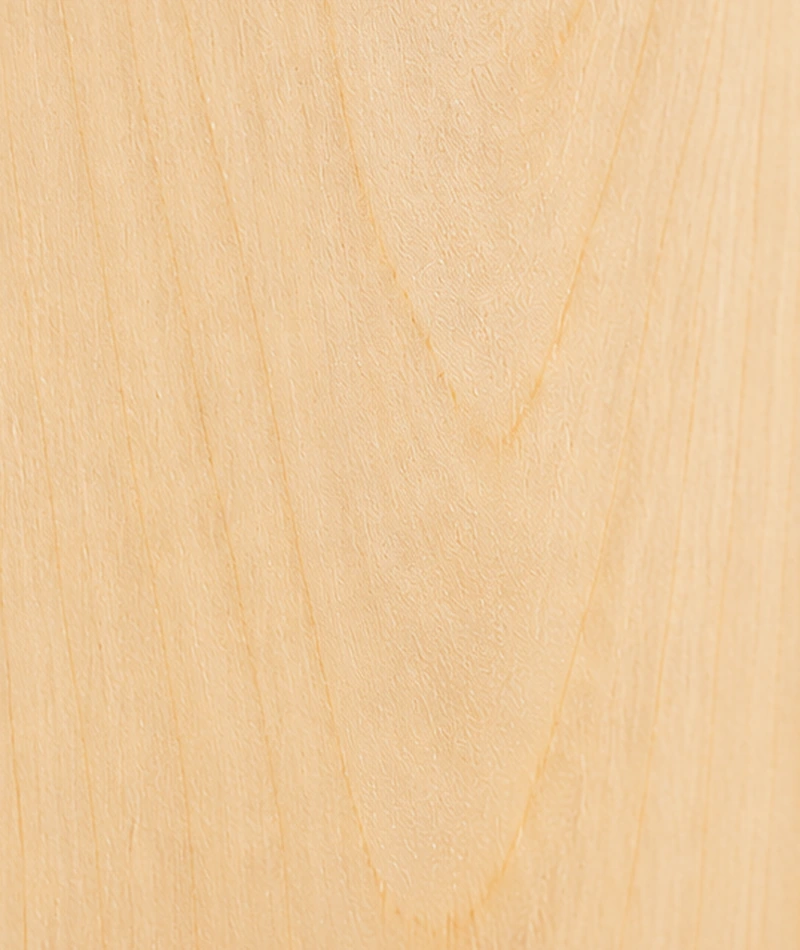
Basswood
BODIES OF SELECTED MODELSLightweight and relatively uniform, basswood is used in laminated form in some entry-level cellos and double basses.
Wood species, fingerboard materials and construction methods vary depending on the model and series. Some instruments feature solid wood components, while others use laminated wood. Exact specifications are provided on individual instrument product pages.
Careful Attention to Every Piece
In violin making, several characteristics help determine whether a piece of wood is suitable for the role it will play within the instrument.
Wood Grain
The direction and regularity of the fibers can influence the strength and vibrational behavior of the wood.
Density and Stiffness
The balance between light weight and stiffness helps determine how the wood responds to vibrations.
Stability
Good stability helps limit deformation and preserve the instrument’s setup over time.
Visual Characteristics
Natural colors, grain patterns and figuring contribute to the beauty and distinctive character of each piece.
From Forest to Instrument
From selecting materials to the final stages of craftsmanship, the journey of wood illustrates the relationship between its natural properties and the luthier’s expertise.
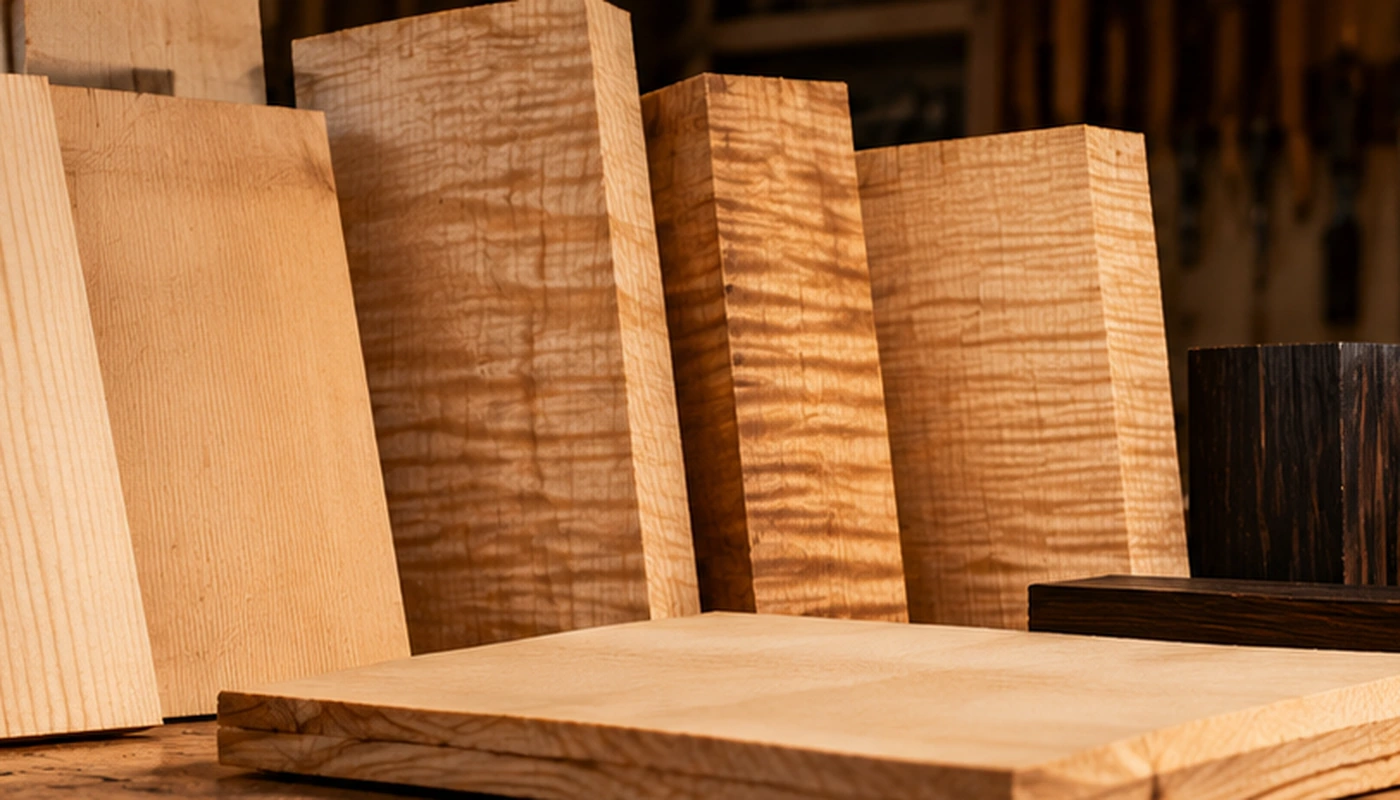
Selection
Selecting wood begins with examining its properties. Each species has characteristics that help determine its use in the manufacturing process.
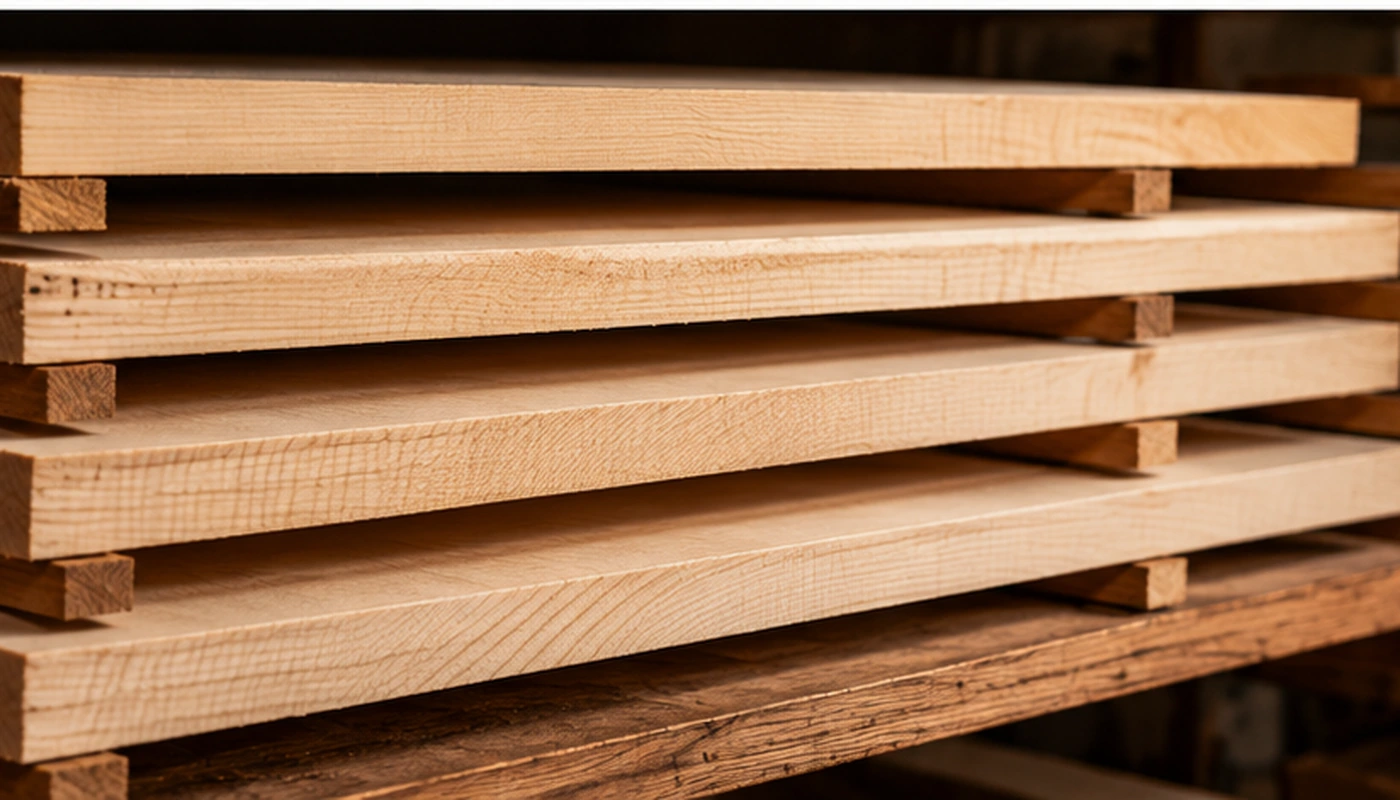
Preparation
Before being worked, the wood must have suitable moisture content and stability. This preparation helps preserve its qualities.
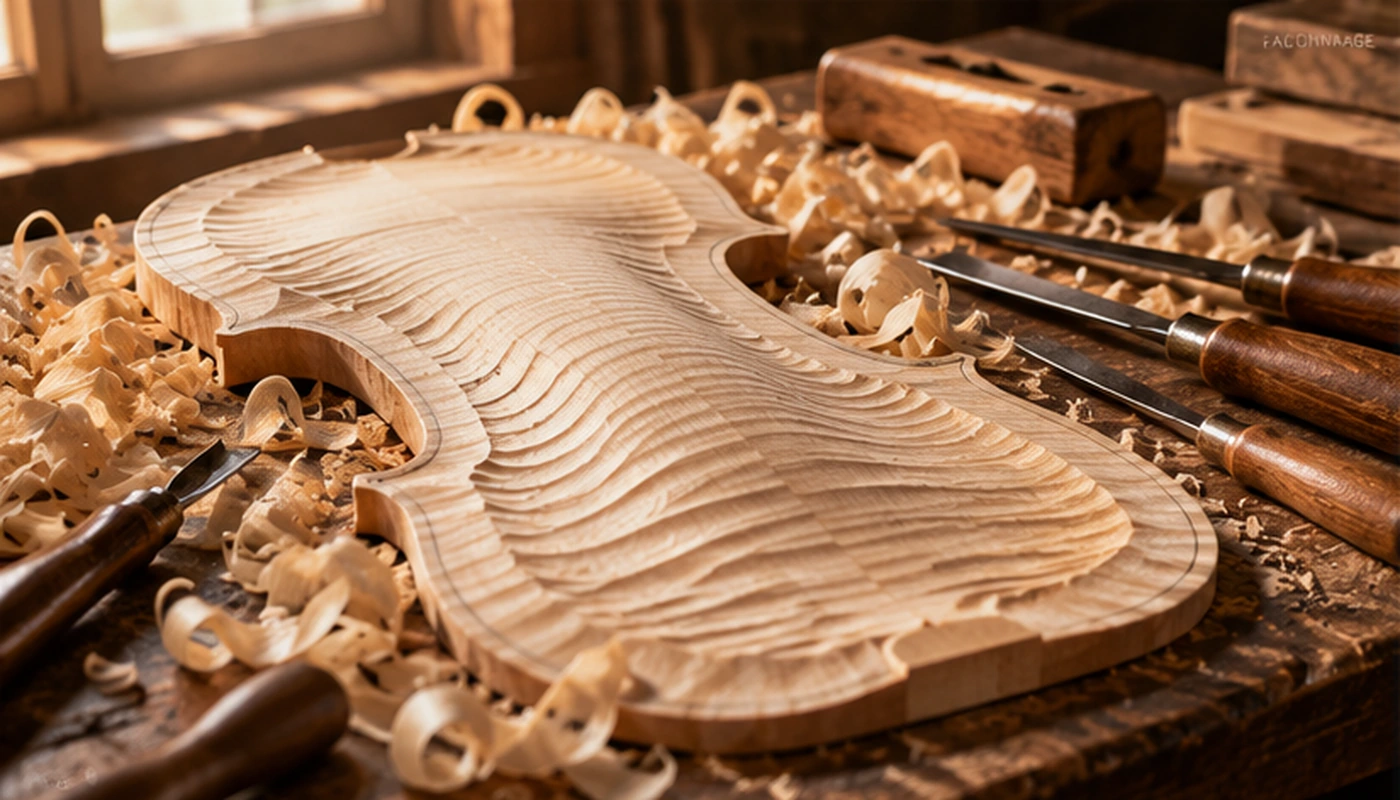
Shaping
The luthier’s craftsmanship gradually gives the wood its form. Curves, thicknesses and proportions are shaped with precision.
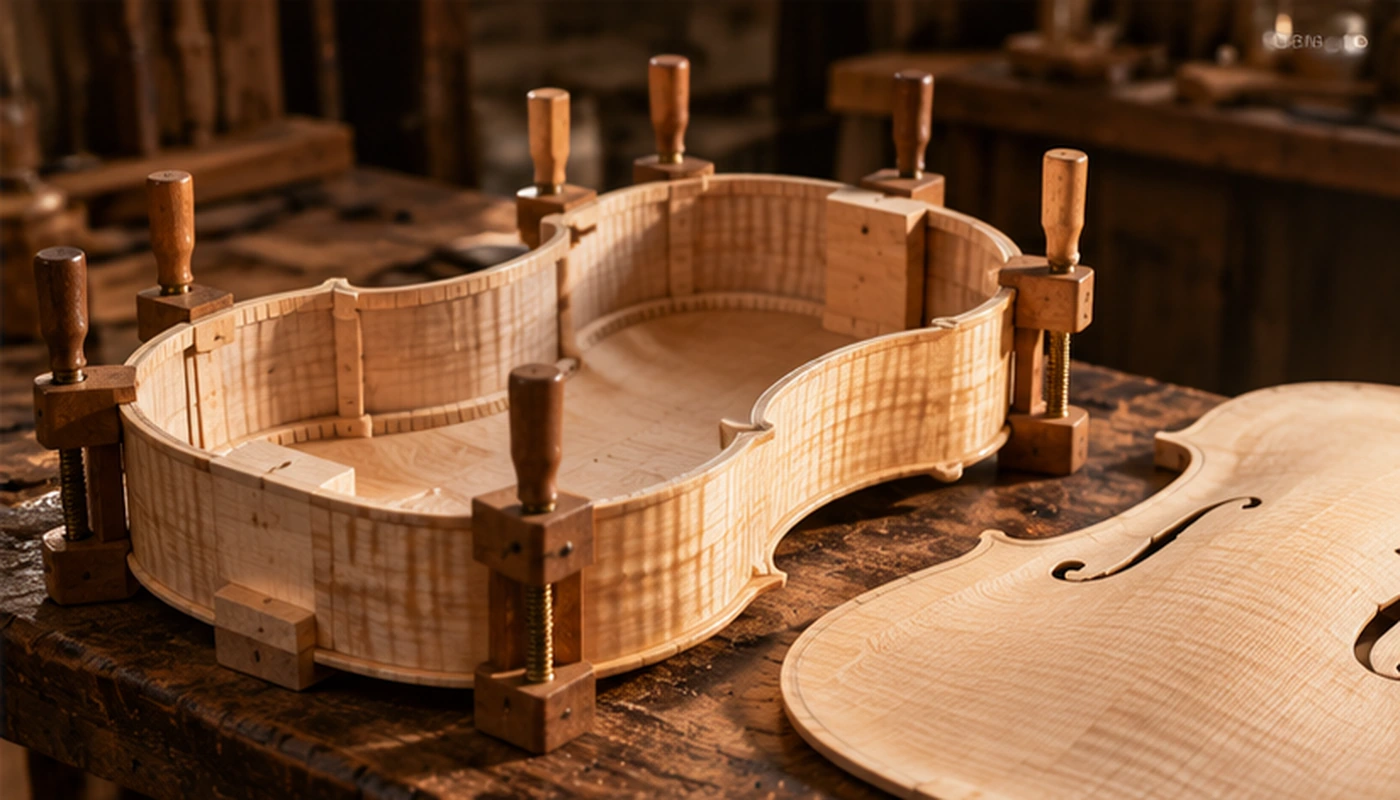
Assembly
The individual components come together to form a complete instrument. Precise fitting contributes to its structural strength and acoustic response.
Resonance
Once the instrument has been assembled and adjusted, the wood fully reveals its role in vibration, projection and tonal character.
Discover Our Instruments
Explore our collection of violins, violas, cellos and double basses, designed to accompany musicians at every stage of their journey.
View the Collection